
It can happen to anyone – in a rush or a moment of distraction you fill up with the wrong fuel and only then realise what you’ve done. If it has just happened to you, the first thing to know is this: you’re not the only one, and it’s not the end of the world.
Below I’ll walk you through everything you need to know and do – right away and afterwards – to avoid bigger problems and unnecessary costs.
Why the wrong fuel is a problem (but not a disaster)
The wrong fuel won’t cause an explosion or an instant breakdown, but if you let it get into the system, it can cause more serious problems. If you’ve put petrol in a diesel engine, you risk damaging the pumps and filters. If it’s the other way round – diesel in a petrol engine – the engine may start to splutter, the injection won’t work properly and you’ll very quickly notice that something is wrong.
The good news is that if you spot the mistake in time, you can almost always avoid expensive damage – it all comes down to reacting quickly and doing the right thing.
What to do straight away
1. Don’t start the engine
If you haven’t turned the key – great! The wrong fuel is still only in the tank, which is where it’s easiest to deal with. If you have started the engine, stop as soon as you can and switch it off. Don’t risk the fuel getting into the system. Turn on your hazard lights and, if you can, lift the bonnet to make it clear that you have a problem.
2. Tell the petrol station staff
If it happened while you’re still at the petrol station, let the staff know immediately. They may be able to recommend the nearest assistance or at least make the wait easier.
3. Call the professionals
Don’t try to pump out the fuel yourself – as well as being dangerous, it’s often illegal. Instead, call roadside assistance or your insurer’s breakdown cover. If necessary, they’ll arrange for the vehicle to be towed and have the tank drained professionally. This usually costs between 150 and 300 euros, depending on the location and the amount of fuel.
Once everything is sorted, fill up with the right fuel and take a short test drive. If everything works normally, carry on with your journey. If you notice that the engine still isn’t running as it should, go to a garage straight away – it’s better to pay for a small repair than to risk major damage.
4. If you’ve only put in a small amount
Sometimes people put in just a litre or two of the wrong fuel before they notice the mistake. In that case it can sometimes help to simply fill the tank to the top with the right fuel and dilute the wrong one. Even so, you shouldn’t drive far without having a professional take a look.
How to avoid the mistake in future
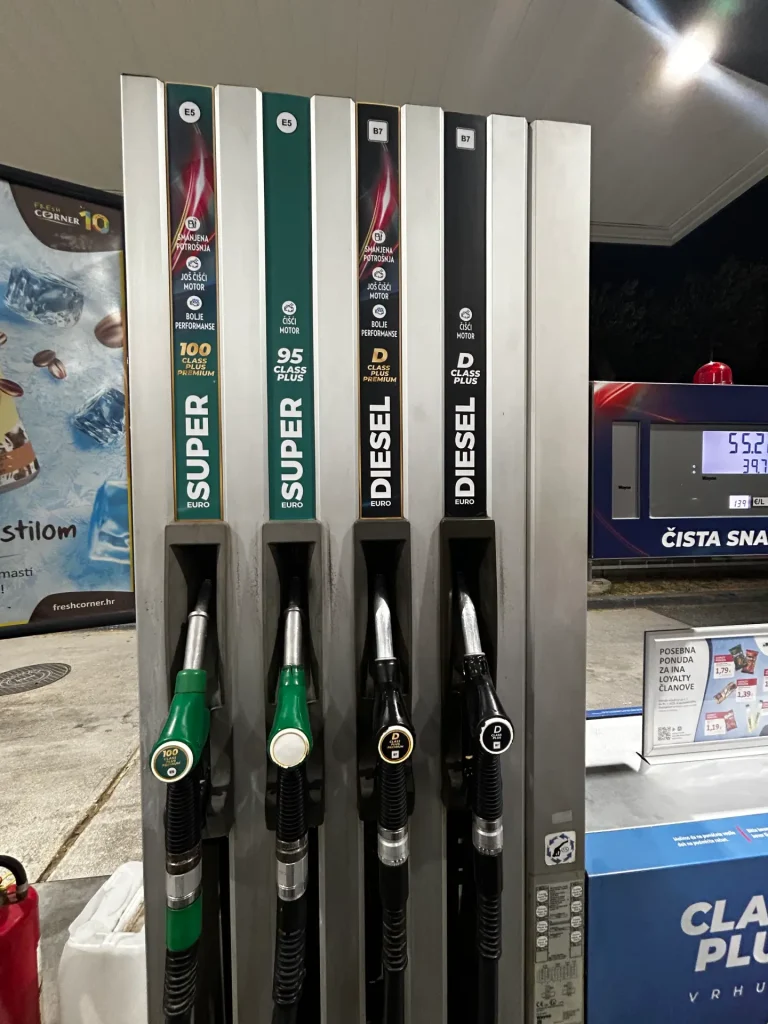
- Pay attention to the nozzles: diesel is usually green, and petrol black or yellow – but always double-check.
- Label the fuel cap: if your car doesn’t have a clear label, stick on a small sticker saying ‘Diesel’ or ‘Petrol’.
- Don’t rush: most mistakes like this happen when you’re in a hurry or your mind is elsewhere. Give yourself a few seconds to check.
- Use technology: there are apps that remember the fuel type for your vehicle – handy if you drive more than one car.
Conclusion
Putting the wrong fuel in your car sounds like a nightmare, but by reacting quickly and calmly you can prevent serious damage and unnecessary costs. Remember: don’t start the engine, call the professionals and everything will be under control.
If this has already happened to you, you’ll know that after the initial panic comes relief – and a story to tell. And if it hasn’t, now you’re prepared. Safe travels – and may your tank always be full of the right fuel! 🚗💨