
Plug-in hybrid vehicles (PHEVs) are an ideal bridge between conventional cars with internal combustion engines and fully electric vehicles. In 2026 PHEVs are increasingly popular because they combine electric range for everyday driving with a petrol engine for long journeys. This guide explains the key differences and advantages, and lists the best-value models available on the European market.
What are plug-in hybrids and how do they differ from other drivetrains?
There are three main types of electrified vehicle:
- Conventional hybrids (HEV): combine a petrol engine and a small electric motor. The battery is charged by regenerative braking and the engine – there’s no plug. Electric range is minimal (a few kilometres), but fuel consumption is low.
- Plug-in hybrids (PHEV): have a larger battery that is charged from an external source (a home socket or charging point). They offer an electric range of 50–100+ km, and when the battery runs down they switch to hybrid or petrol power.
- Fully electric vehicles (EV): only an electric motor and a large battery. Range of 300–600+ km, but they need charging and have no petrol engine as a back-up.
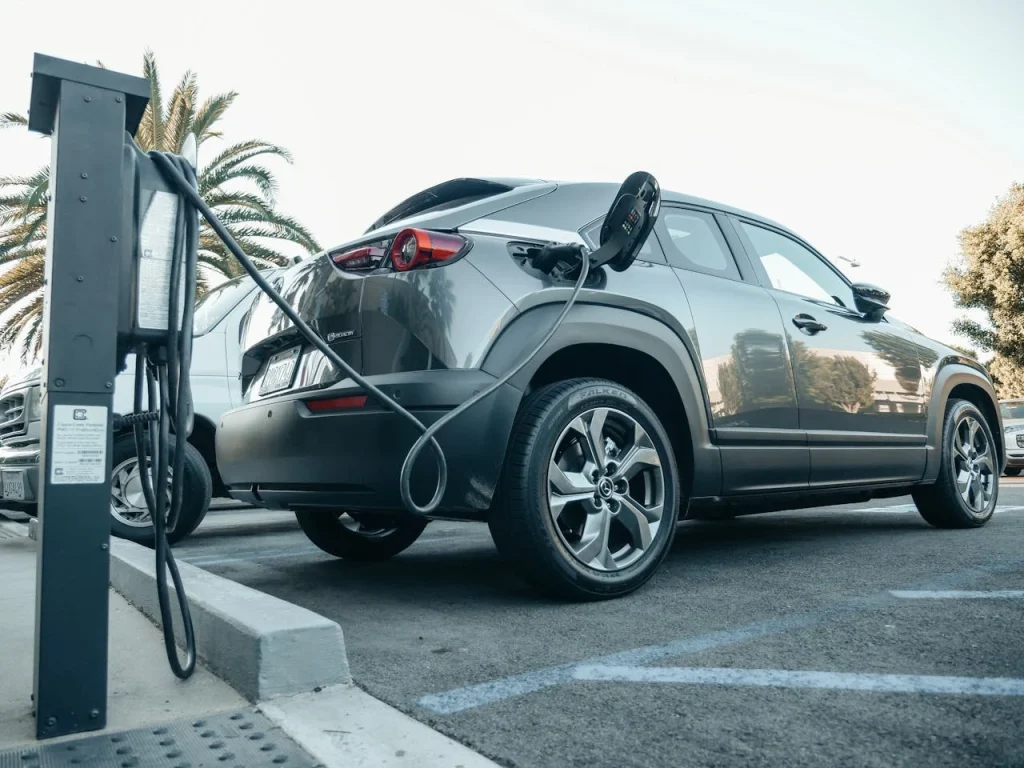
Key differences in a table:
| Aspect | Conventional hybrid (HEV) | Plug-in hybrid (PHEV) | Electric vehicle (EV) |
|---|---|---|---|
| Battery charging | Self-charging while driving | External charging | External charging |
| Electric range | 1–5 km | 50–120 km | 300–600+ km |
| Fuel consumption | Low (4–6 l/100 km) | Very low if you charge | Zero |
| Price | Lower | Medium | Higher |
| Ideal for | Longer journeys | Mixed use | City driving and if you have a charger |
Advantages of plug-in hybrids
PHEVs are particularly attractive in 2026 because they offer a balance between environmental benefits and practicality:
- Lower fuel costs: if you charge at home, most daily journeys (up to 80–100 km) can be done on electricity alone – cheaper than petrol.
- Lower CO₂ emissions: ideal for cities with low-emission zones and tax breaks.
- No range anxiety: the petrol engine allows long journeys without stopping at charging points.
- Better performance: the electric motor provides instant torque for quicker acceleration.
- Incentives and tax breaks: in many European countries (including Croatia, through the Environmental Protection Fund) subsidies are available for PHEVs.
- Quieter driving: almost silent in electric mode.
Drawbacks: a higher purchase price, the need to charge and a smaller boot because of the battery.
The best-value PHEV models in 2026
In 2026 the focus is on models with long electric range, low running costs and good value for money. Here are the top 10 best-value models (based on efficiency, price, range and reviews):
- Toyota Prius Plug-in Hybrid
- Electric range: up to 70–80 km
- Consumption: around 1–2 l/100 km if you charge
- Price: from approx. €40,000
- Why it’s good value: Toyota’s exceptional reliability, low consumption and a long-lasting battery.
- Toyota RAV4 Plug-in Hybrid (new generation)
- Range: up to 100 km
- Power: over 300 hp
- Price: from approx. €50,000
- A popular SUV with all-wheel drive, ideal for families.
- MG HS Plug-in Hybrid
- Range: up to 100 km
- Price: from approx. €30,000–35,000
- The best value for money – cheap, spacious and well equipped.
- Volvo XC60 Recharge
- Range: up to 80–90 km
- Safety: 5-star Euro NCAP
- Price: from approx. €60,000
- A luxurious and safe SUV.
- BMW 330e
- Range: up to 100 km
- Driving dynamics: excellent
- Price: from approx. €55,000
- A sporty feel with low running costs.
- Mercedes-Benz C 300 e
- Range: up to 110 km
- Luxury: premium interior
- Price: from approx. €60,000
- The longest range in its class.
- Kia Sportage PHEV
- Range: up to 70 km
- Warranty: 7 years
- Price: from approx. €45,000
- Good equipment and reliability.
- Hyundai Tucson PHEV
- Similar to the Kia, with a modern design and good range.
- Chery Tiggo 8 Pro PHEV (or Omoda models)
- Range: up to 100+ km
- Price: very competitive (under €40,000)
- New Chinese brands offer excellent value in terms of price and equipment.
- Peugeot 3008 PHEV or Škoda Kodiaq PHEV
- Spacious and practical, with good range and a below-average price.
Tip for the best value: the biggest savings come from charging at home (e.g. on an overnight tariff). Models such as the MG or Toyota offer the best value for long-term ownership thanks to their low price and reliability.
In 2026, plug-in hybrids are a perfect choice for most drivers – green, economical and flexible. If you have access to charging, you’ll save thousands of euros a year. Check local incentives and test-drive the models before you buy!