
Choosing the right tyres is key to safety and performance on the road. Winter tyres and all-season tyres are designed for different conditions, and understanding their advantages and limitations helps you make the best decision.
Characteristics of winter tyres
Winter tyres are made specifically for driving in cold conditions, snow and ice. Their main features include:
- Deeper grooves and sipes: increase grip on slippery surfaces.
- Softer rubber compound: stays flexible at low temperatures.
- Special design: improves braking and handling in winter conditions.
These characteristics allow safer driving in winter conditions, especially on icy and snowy roads.
Characteristics of all-season tyres
All-season tyres combine features of winter and summer tyres and are designed for use all year round. Their features include:
- Medium rubber compound: maintains performance across a wide range of temperatures.
- Universal tread pattern: provides acceptable traction on snow and dry roads.
- M+S marking: indicates suitability for mud and snow, although performance doesn’t match true winter tyres.
All-season tyres are practical and remove the need for seasonal changes, but they are a compromise in extreme weather conditions.

Performance comparison
- Grip and handling:
- Winter tyres provide superior grip on icy and snowy roads.
- All-season tyres provide enough traction for light snow, but are not ideal for extreme winter conditions.
- Performance in warm conditions:
- Winter tyres are not suitable for summer driving. Their softer compound wears faster, which reduces fuel efficiency and increases costs, meaning you’ll spend more not only on tyres but also on fuel
- All-season tyres cope better with heat, but don’t match the performance of summer tyres at high temperatures.
- Cost and maintenance:
- Although winter and summer tyres are more effective in their own seasons, changing them increases maintenance costs.
- All-season tyres reduce overall costs because there’s no need for seasonal changes.
Legal requirements for winter tyres
In many countries in the region, winter tyres are mandatory during certain months. Here are the main rules:
- Croatia: from 15 November to 15 April, vehicles must have winter tyres or chains in winter conditions.
- Bosnia and Herzegovina: from 1 November to 1 April, winter tyres with a minimum tread depth of 4 mm are mandatory.
- Serbia: winter tyres or chains are mandatory in winter conditions from 1 November to 1 April.
- Slovenia: from 15 November to 15 March, vehicles must be fitted with winter equipment.
Are all-season tyres a good choice?
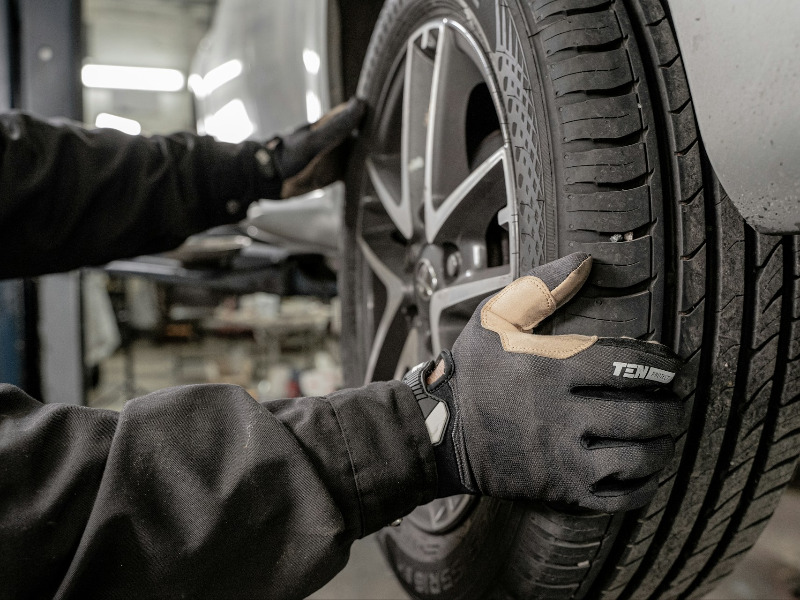
All-season tyres are practical for drivers in temperate climates where winters are mild and summers aren’t extremely hot. However, in regions with harsh winters, winter tyres provide significantly better safety and control.
Key tips for choosing
- Choose winter tyres if you drive in areas with heavy snow and ice.
- Choose all-season tyres if you live in a region with mild winters and want to reduce costs.
- Always follow the legal requirements and the car manufacturer’s technical recommendations.
Understanding the differences between winter and all-season tyres helps you make decisions that ensure the safety and optimum performance of your vehicle.