
Biofuels are renewable energy sources obtained from biological (organic) materials such as plants, agricultural residues, animal fats and even waste. Biofuels can be:
- liquid (e.g. bioethanol, biodiesel), gaseous (e.g. biogas) or solid (biomass).
- Production methods include biochemical conversion (fermentation), transesterification of lipids and thermochemical processes.
Biofuels are divided into the following generations:
- First generation – ethanol from cereals, biodiesel from oil crops, biogas from silage.
- Second generation – ethanol from forestry residues, diesel from biomass, more advanced technology.
- Third generation – biofuels from algae.
Why use biofuel?
- Lower greenhouse gas emissions: biofuels often have lower lifecycle CO₂ emissions than fossil fuels.
- Energy independence: producing biofuels from domestic resources can reduce dependence on oil imports.
- Rural development: the agricultural sector can benefit from growing biofuel feedstocks.
- Using waste: biofuels can be made from organic waste, reducing waste and supporting the circular economy.
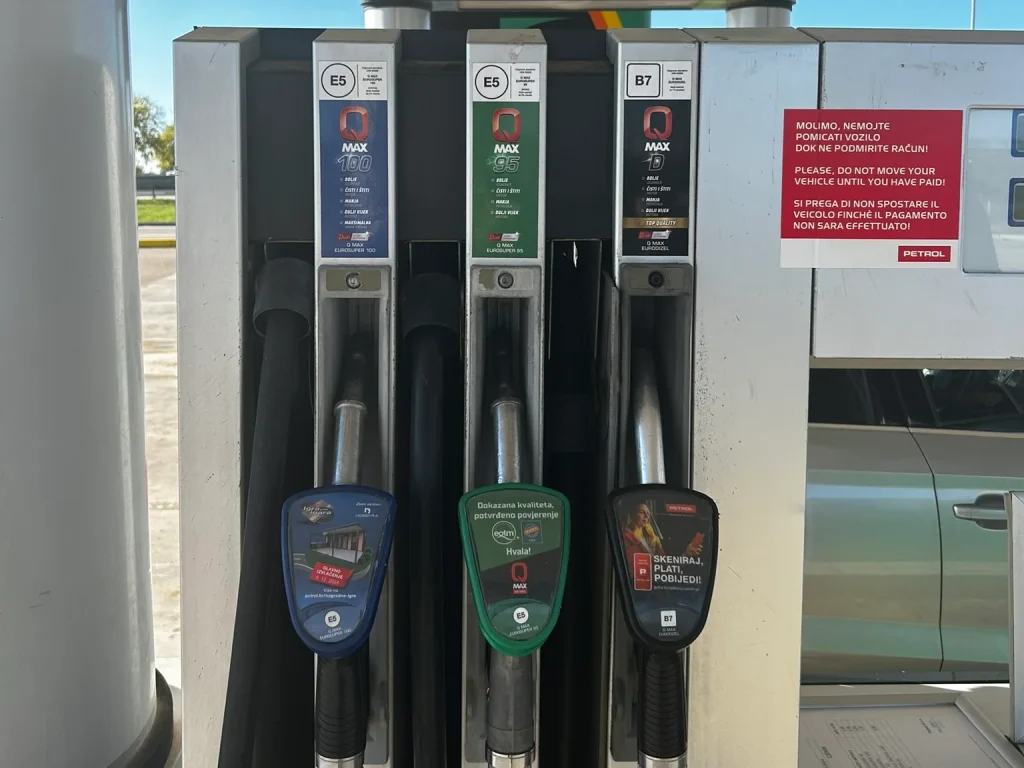
Comparison with conventional fuels (diesel, petrol, etc.)
| Aspect | Biofuels | Conventional fossil fuels (petrol, diesel) |
|---|---|---|
| Source | Renewable – plants, waste, biomass | Fossil – oil, gas |
| CO₂ emissions | Lower per MJ in many cases | Higher, especially when burned |
| Price stability | Depends on agricultural prices and incentives | Subject to oil price fluctuations and excise duties |
| Engine technology | Can be blended with fossil fuels; some engines adapted | Traditional engines are optimised for fossil fuels |
| Regulation | Sustainability requirements in the EU; emission criteria set by law | Heavily regulated, but not renewable |
Current use of biofuels
- In the European Union, biofuels are part of the transport fuel mix. According to one report, the share of biofuels in EU road transport was significant, but fossil fuels (diesel, petrol) still dominate.
- In Croatia the share of biofuels is relatively low – one report puts it at around 3.2%.
- Car manufacturers such as Toyota promote blending biofuels with conventional fuels and are developing biofuel-compatible vehicles.
- Haulage companies (or heavy vehicle manufacturers) also use biofuels: for example, Scania has engines that can run on biodiesel (FAME) and HVO (hydrotreated vegetable oil), as well as lorries running on liquefied biogas.
Biofuel prices and comparison with conventional fuels
- Biofuel prices vary considerably depending on the country, incentives, feedstock and scale of production.
- In Croatia it’s worth noting that biofuels play a part in the excise duty formula and fuel regulation.
- For example, the Croatian Government has reduced the environmental charge for biofuels in some cases, which could affect the price of fuel.
- According to the IMARC Group, the average price of biodiesel in Europe in 2025 is around USD 1.30/kg.
- Converted to litres, depending on the density of the biodiesel, this gives an approximate price, but it’s hard to compare directly with the price per litre at the pump without further calculations and local taxes.
- It’s important to note that the price difference between biofuels and fossil fuels also depends on subsidies, excise duties and local regulations, so it’s not always a straightforward ‘biofuel is cheaper/more expensive’ comparison.
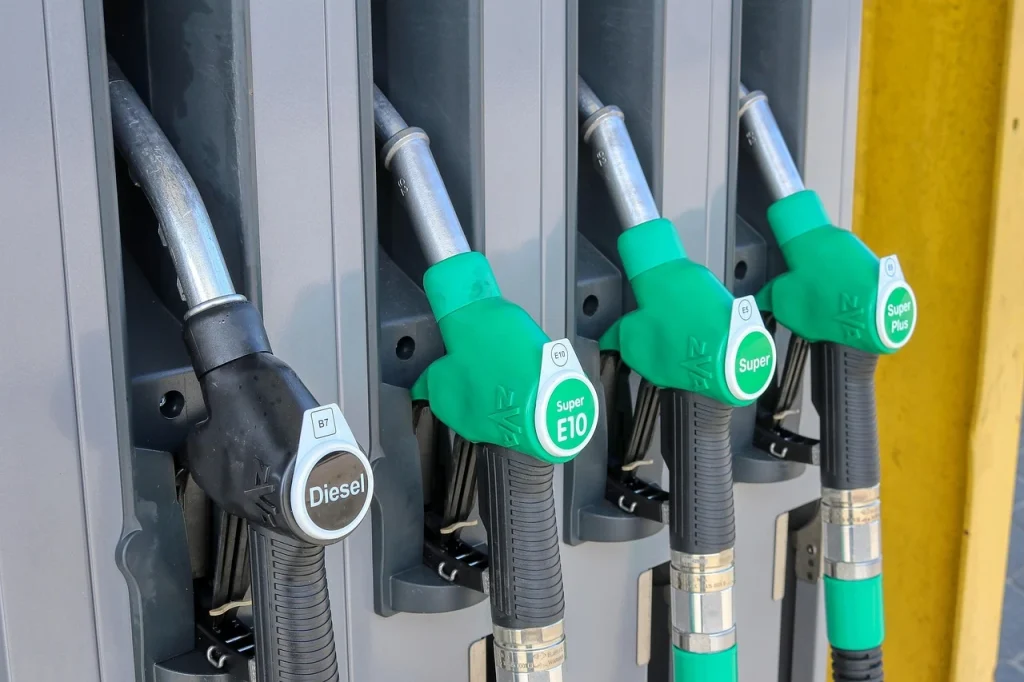
Challenges and criticisms of biofuels
- Sustainable feedstocks: if food crops are used for biofuels, there is a risk of competition with food and feed production.
- Environmental impact: intensive farming can lead to soil erosion, greater use of fertilisers and pesticides, and loss of biodiversity.
- Emissions during production: although burning biofuels may emit less CO₂, the production process (growing, transport, processing) can have a significant carbon footprint.
- Cost: without government incentives, producing biofuels can be more expensive than fossil fuels.
- Regulatory barriers: regulations are needed to ensure that biofuels are sustainable and not harmful in the long term.
The future of biofuels
- Technological development: work is under way on second- and third-generation biofuels (e.g. from algae), which could be more efficient and compete less with agriculture.
- Policies and incentives: the EU and other regions encourage the use of biofuels through laws and regulations; for example, sustainability criteria are set by law.
- Combination with other technologies: biofuels can be combined with electrification – in sectors where electrification isn’t practical, biofuels can play an important role.
- Circular economy: making greater use of waste and by-products (e.g. organic waste) to produce biofuels can make production more sustainable and efficient.
- Scalability: growing demand for biofuels can improve the economics of production, but this needs to be balanced against environmental and social consequences.
Why choose biofuels?
- If you care about reducing CO₂ emissions, biofuels are one of the factors in decarbonising transport.
- If you use a vehicle that can run on blended fuels, switching to biofuels (or blends) can be relatively simple.
- By using biofuels you support renewable energy sources and contribute to diversifying the energy sector.
- Over time, as technology advances, biofuels may become more competitive in price and efficiency.
How to use biofuels safely and sensibly
- Check your vehicle handbook – see the manufacturer’s recommendations: does your engine support biofuels or blends (e.g. B-blend biodiesel)?
- Choose certified sources – buy biofuels that meet the legal sustainability criteria (e.g. EU regulations).
- Keep an eye on prices and incentives – find out about local incentives, subsidies or tax breaks for biofuels.
- Consider blends – instead of pure biofuel, you can use blends (e.g. B20, B30), which are often more acceptable and economical.
- Buy sustainably – if you buy biofuels, try to choose ones produced sustainably (e.g. from waste rather than food crops).
Conclusion
Biofuels are an important part of the transition to more sustainable transport and energy. They offer the potential to reduce greenhouse gas emissions, increase energy independence and support rural communities. However, they are not without challenges — competition for land, environmental impacts and cost issues need to be managed carefully. At present, biofuels are particularly useful as a bridge to greener technologies, and the future may bring advanced generations of biofuels that are more efficient and cleaner.
Biofuels – frequently asked questions
Biofuels are fuels obtained from organic materials such as plants, waste or oil crops. The most common types are biodiesel, bioethanol and biogas
In most cases, no. Most biofuels, especially blends such as B7 or E10, are completely safe for modern engines and are regulated by European standards. Even so, it’s advisable to check your vehicle handbook to see which blends are permitted.
Generally, yes. They emit less CO₂ when burned, and part of the emissions is ‘offset’ by the plant that absorbed CO₂ as it grew. However, the overall impact depends on the production method, logistics, feedstocks used and the producer’s sustainability.
Yes, but their share is low. According to official reports, biofuels make up around 3% of Croatian transport fuel. Blends are used most often (e.g. biodiesel mixed with Eurodiesel), while pure biofuels are not yet widely available at the pump.
Biofuels will play an important role, but are unlikely to replace fossil fuels completely in the short term. Their greatest strength is in sectors where electrification isn’t straightforward (lorries, ships, aviation). The development of new technologies – especially biofuels from algae and waste – could significantly increase their importance.