
AdBlue is a fluid used in diesel vehicles fitted with selective catalytic reduction (SCR) technology. It is used to reduce emissions of harmful nitrogen oxides (NOx) in the exhaust gases of diesel vehicles. The fluid consists of 32.5% urea and 67.5% deionised water, and using it reduces a vehicle’s environmental impact and meets European environmental standards.
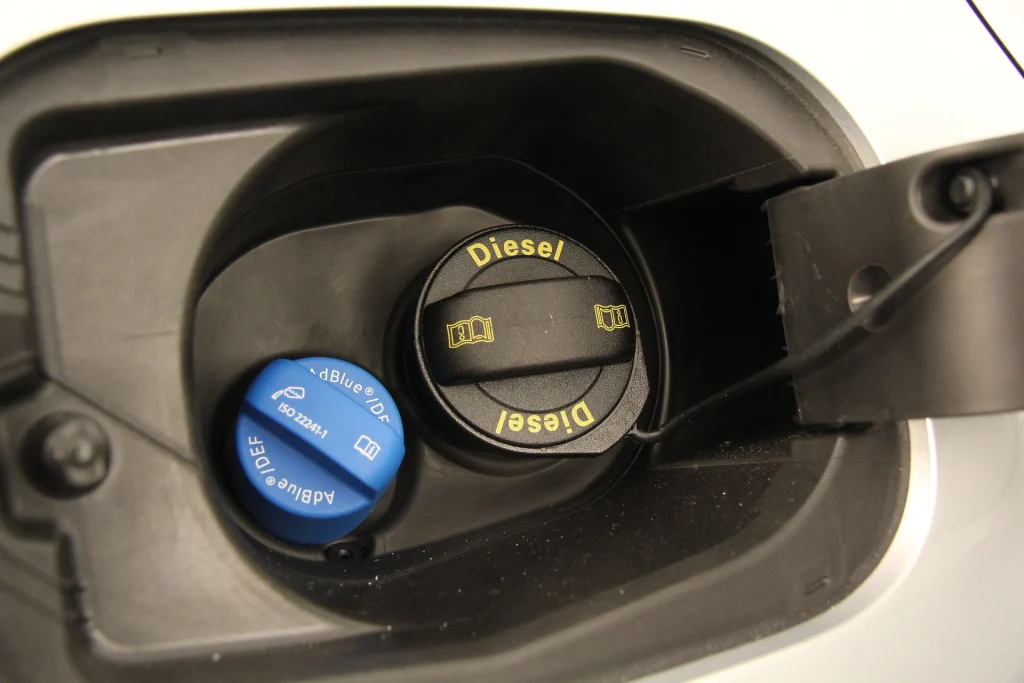
AdBlue is not a fuel but an additive that goes into a separate tank in the vehicle. As exhaust gases pass through the SCR system, AdBlue mixes with them and converts nitrogen oxides into gases that are less harmful to the environment.
How does AdBlue work?
AdBlue works through the SCR technology fitted in modern diesel vehicles. In this system the fluid is injected into the engine’s exhaust gases, where at high temperatures it breaks down into ammonia and carbon dioxide. This process reduces the amount of nitrogen oxides, which are major causes of air pollution.
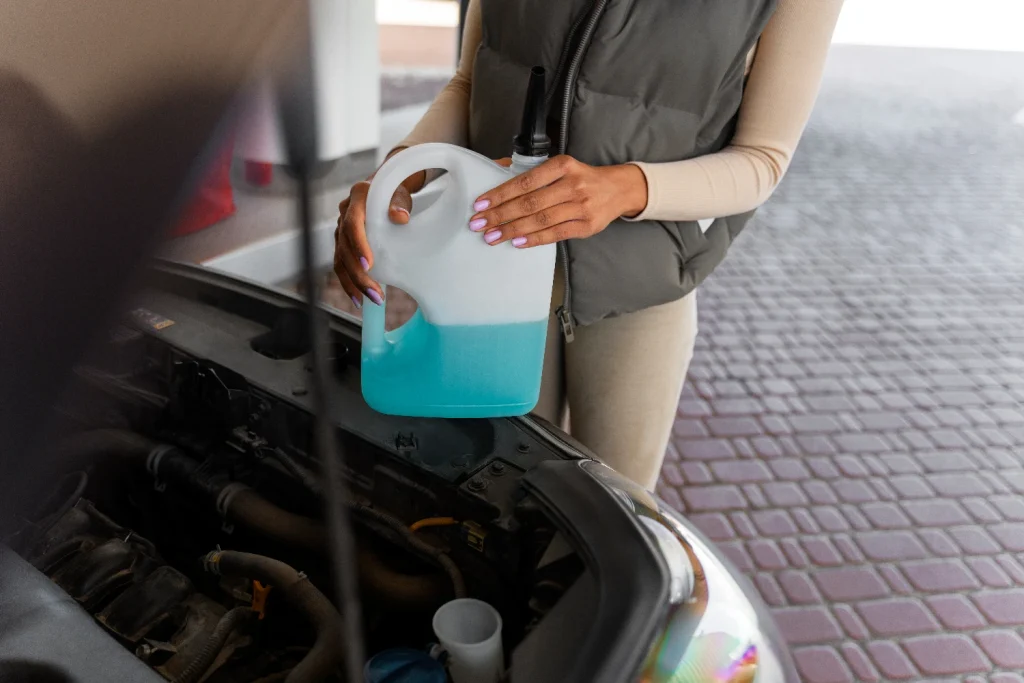
For the vehicle to work properly, the tank must be topped up regularly. If the AdBlue level gets too low, the vehicle will automatically reduce performance or the engine may not start at all.
Advantages of AdBlue
- Lower harmful emissions: the main advantage is lower nitrogen oxide emissions, which contributes significantly to cleaner air and more environmentally friendly driving.
- Meeting environmental standards: AdBlue is key to meeting European environmental standards such as Euro 6, which require lower harmful emissions from vehicles.
- Longer engine life: SCR technology not only reduces emissions but can also help extend engine life by reducing soot build-up in the exhaust system.
Price of AdBlue
The price of AdBlue varies depending on the market and where you buy it. It is usually sold in bottles or in bulk (by the litre), with prices ranging from €1 to €2.50 per litre. For vehicles that need regular top-ups, total annual consumption can be significant, but because of its cost-effectiveness and long-term savings on fuel and maintenance, using the fluid is considered worthwhile.
Differences from blue diesel
AdBlue is sometimes confused with blue diesel. The table below shows their similarities and differences.
| Feature | Blue diesel | AdBlue |
| Type | Fuel | Emission-reducing additive |
| Use | Powering machinery | Exhaust gas treatment |
| Colour | Blue | Colourless or slightly bluish |
| Composition | Diesel with dye | Urea + demineralised water |
Frequently asked questions
Top up AdBlue as needed, usually when the low-level warning light comes on. How often depends on how much you drive and the size of the AdBlue tank.
No – using anything other than AdBlue, such as water or other fluids, can damage the SCR system and stop your vehicle from meeting emissions regulations.
Yes, AdBlue is the European brand name for DEF (Diesel Exhaust Fluid). Both are chemically identical and serve the same purpose of reducing emissions from diesel engines.
Conclusion
AdBlue is a key component in reducing emissions from modern diesel vehicles and ensuring engines meet strict environmental standards. It is an essential additive for any vehicle with an SCR system, helping to maintain optimum engine performance and protect the environment. Regularly checking and topping up the fluid will help you avoid operating problems and keep your vehicle in good condition.