
Electric cars are becoming increasingly popular because of their environmental and economic advantages. Lower emissions, lower maintenance costs and quiet driving are just some of the reasons why more and more drivers are choosing electric vehicles. In this article we explain in detail how electric cars work, their pros and cons, and the most popular models on the market.
How do electric cars work?
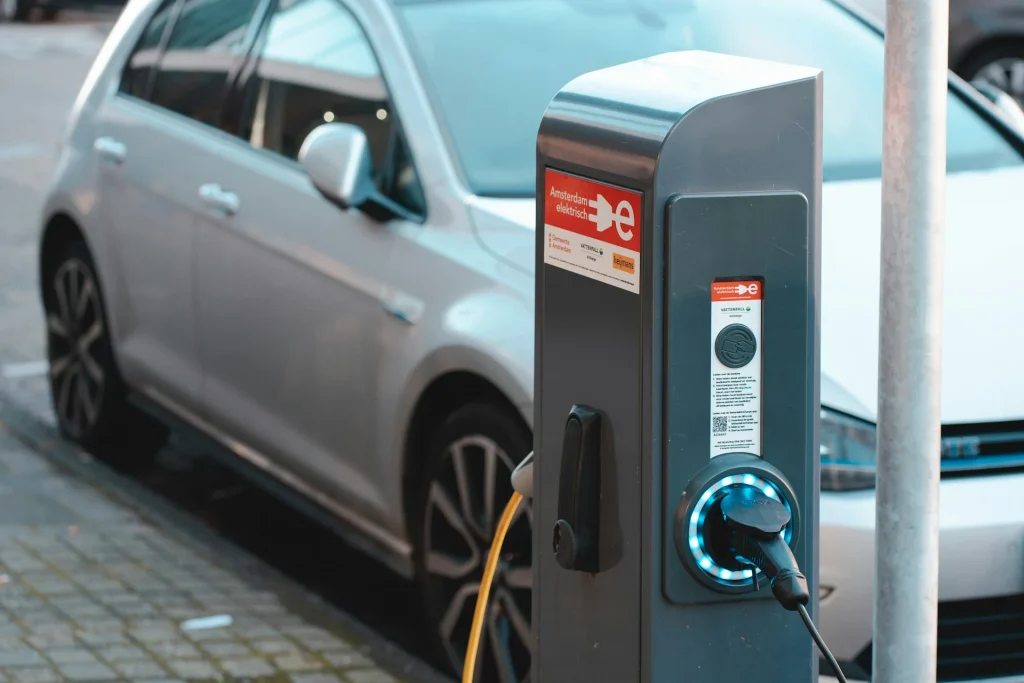
Electric cars use electric motors instead of an internal combustion engine to drive the vehicle. Batteries store energy that is charged at charging stations, and the motor uses this energy to power the vehicle. These cars don’t use fuel, which makes them environmentally friendly and reduces greenhouse gas emissions.
Main components of an electric car:
- Batteries: the most common are lithium-ion batteries, which offer high energy density and a long life.
- Electric motor: converts electrical energy into the mechanical power that drives the vehicle.
- Charger: charges the batteries, either at a rapid charging station or from a household socket.
Advantages of electric cars
- Environmentally friendly: electric cars produce no harmful emissions while driving. This reduces air pollution, especially in urban areas.
- Lower running costs: electricity is much cheaper than fuel, and maintenance costs are lower because there are fewer moving parts than in petrol or diesel vehicles.
- Quiet driving: electric motors are almost silent, which makes driving more pleasant and reduces noise in urban areas.
Disadvantages of electric cars
- Battery range: although most electric vehicles offer a range of between 200 and 400 kilometres per charge, this can be a limitation on longer journeys.
- Charging time: rapid chargers can charge up to 80% of capacity in 30 minutes, while a household socket can take several hours for a full charge.
- Price: electric cars often have a higher purchase price than combustion-engine vehicles, although purchase subsidies can reduce the overall cost.
The most popular electric cars on the market
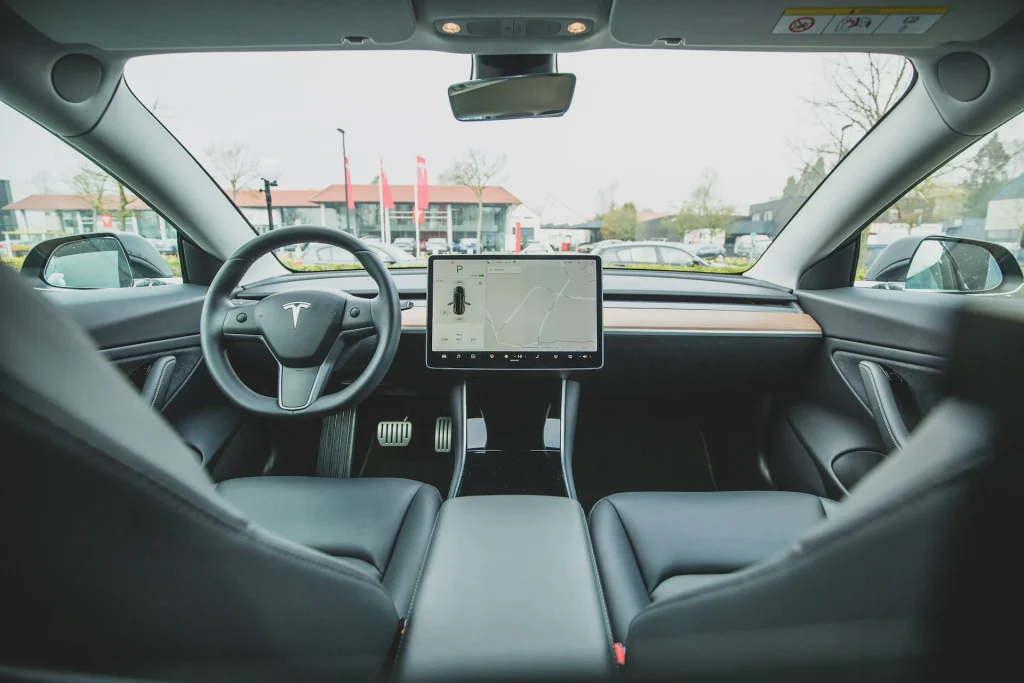
- Tesla Model 3 The Tesla Model 3 has become synonymous with electric driving thanks to its technology, long range and impressive performance. The Model 3 has a range of 350 to 500 km, depending on the version. Its fast charging and strong performance make it one of the most sought-after models. Tesla also offers autonomous driving features, an advanced driver assistance system and top-level safety features.
- Volkswagen ID.4 The ID.4 is an electric SUV that offers excellent value for money. With a range of up to 520 km, the ID.4 provides comfort and space, making it ideal for family driving. Advanced technology such as the digital cockpit and infotainment system makes driving more pleasant, while its energy efficiency makes it an economical choice.
- Hyundai Kona Electric The Hyundai Kona Electric is a popular choice thanks to its compact design and excellent performance. With a range of up to 400 km per charge, the Kona is one of the best-value electric SUVs on the market. It has a 64 kWh battery that allows fast charging, and stands out for its low maintenance costs and good balance between price and quality.
- BMW i3 The BMW i3 is a compact electric car that stands out for its unique design and eco-friendly materials. Although it isn’t the newest model on the market, the i3 is known for its sustainability and low emissions. It offers a range of 250 km, and its futuristic look and high build quality make it stand out among other electric vehicles.
Subsidies for buying electric cars
In Croatia, subsidies for buying electric vehicles are available from the Environmental Protection and Energy Efficiency Fund (Fond za zaštitu okoliša i energetsku učinkovitost). Subsidies can reach €10,000, making an electric car more affordable for a wider audience. The amount depends on the type of vehicle and its emissions, and the aim is to reduce costs and encourage drivers to switch to greener vehicles.
Frequently asked questions about electric cars
Charging time depends on the type of charger. A rapid charger can charge the battery to 80% in 30 minutes, while a household socket can take 6–8 hours for a full charge.
Range varies by model. Most electric cars offer a range of 200 to 400 kilometres per charge, while some models, such as the Tesla Model 3, can cover more than 500 km.
Electric cars have fewer moving parts, which means lower maintenance costs. The bigger cost can be the purchase price, but in the long run costs are lower than for conventional vehicles.
Yes, but it’s important to plan routes that include available charging stations. Given the charging speed and range of the vehicle, driving long distances requires some extra preparation.
Conclusion
Electric cars offer many advantages, including lower running costs, fewer emissions and quieter driving. Although there are challenges such as price and range, the technology keeps improving and the infrastructure is growing. The most popular models, such as the Tesla Model 3, VW ID.4 and Hyundai Kona Electric, offer an excellent balance of performance, price and environmental benefits. For drivers who want to be part of a more energy-efficient world, electric cars are the best choice for the future.