
Fuel additives have become an essential part of vehicle maintenance. They can improve your car’s performance, reduce fuel consumption and even extend the life of the engine. In this article we explain what fuel additives are, how they work and which are best for your vehicles.
What are fuel additives?
Fuel additives are chemicals added to fuel to improve its quality and engine performance. Whether you use diesel, petrol or LPG, additives can help clean the fuel system, improve combustion and reduce harmful emissions. Additives can be designed for various functions, including cleaning the engine, increasing efficiency or reducing harmful emissions.
What types of additives are there?
1. Diesel additives
Diesel fuel additives are often used to improve the performance of diesel engines. They help reduce engine deposits, prevent sediment and lower fuel consumption. They can also improve performance in cold conditions and protect the engine from corrosion. If you drive a diesel car, using additives can extend the life of your engine, especially when fuel prices are high.
For diesel vehicles that need additional exhaust gas treatment, AdBlue fluid is often used, which can significantly reduce emissions.
2. Petrol additives
Although petrol and diesel have different chemical compositions, petrol additives work in a similar way to diesel ones. They help clean the fuel injection system and keep the engine efficient. Petrol additives can also reduce carbon dioxide emissions and improve fuel economy.
3. Engine and injector cleaning additives
Additives for cleaning diesel engines or injectors keep the fuel injection system in good condition. They dissolve deposits and dirt that build up in the engine, preventing blockages and ensuring proper combustion. Regular use of these additives can improve engine performance, reduce consumption and extend the life of the vehicle.
How do additives improve engine performance?
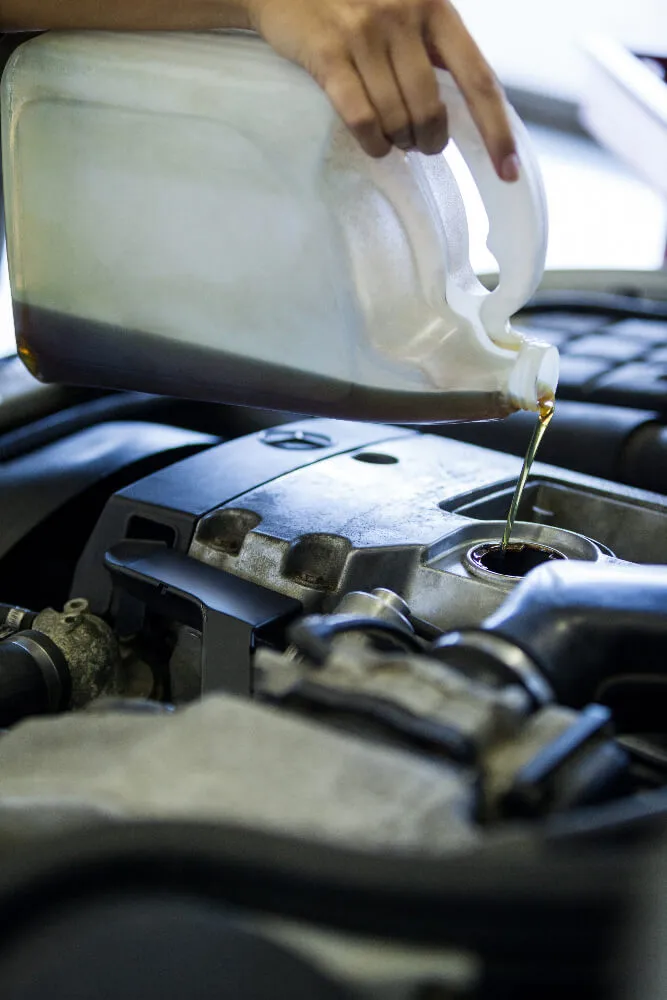
Additives can significantly improve engine efficiency in several ways. First, they clean the fuel injection system, removing deposits that can interfere with proper combustion. Second, they reduce friction between moving engine parts, resulting in lower fuel consumption and more power. Finally, additives can help protect the engine from corrosion and other damage.
Benefits of using fuel additives
Using fuel additives offers many benefits:
1. Greater efficiency
Additives can help optimise fuel combustion. This means your engine uses fuel more efficiently, which can reduce overall fuel consumption and running costs.
2. Protecting the engine
Regular use of additives can help clean and maintain the fuel injection system, which can reduce the need for expensive repairs and servicing.
3. Lower emissions
Additives can reduce emissions of harmful gases such as carbon dioxide and nitrogen oxides. This can help reduce your environmental impact and meet environmental standards.
4. Corrosion protection
Some additives contain components that protect the engine from corrosion and damage caused by moisture and oxygen in the fuel.
How to choose the right additive for your car
Choosing the right additive depends on several factors:
- Fuel type: if you drive a diesel car, choose additives specifically designed for diesel fuel. The same applies to petrol.
- Purpose: if you want to clean the engine, look for injector or engine cleaning additives. If you have problems with fuel consumption, choose additives that improve combustion efficiency.
- Brands: popular brands such as Datacol are known for the quality of their additives, which are often tested and recommended by experts.
Where to buy fuel additives
You can find fuel additives in many car parts shops, at petrol stations or online. If you want guaranteed quality, choose products from trusted brands. There is a wide choice of additives online, with prices usually ranging from a few tens to a few hundred kuna, depending on the type and brand.

Frequently asked questions
The best diesel additives usually contain components for cleaning the injection system and reducing soot deposits. Popular brands include Datacol and Wynns.
If used according to the manufacturer’s instructions, fuel additives should not damage the engine. It’s important to choose an additive suitable for your fuel and engine type.
Using additives every few thousand kilometres is recommended, depending on driving conditions and the condition of your engine.
Symptoms that may indicate the need for an additive include poorer engine efficiency, higher fuel consumption, loss of power and even misfiring. If you notice your engine ‘jerking’ or having trouble starting, an engine cleaning additive may help.
Yes, fuel additives can also be used in new vehicles. Although newer engines are usually designed to cope better with deposits, additives can help maintain engine efficiency and reduce the risk of future problems.
Some effects, such as more engine power and lower fuel consumption, can be noticeable straight away. Long-term effects, such as fewer deposits and a well-maintained injection system, can be seen after a few thousand kilometres.
For older cars, additives that clean the fuel system and reduce engine deposits are recommended. Injector and engine cleaning additives can improve the performance of older vehicles and reduce the risk of breakdowns.
Many fuel additives today are formulated to reduce harmful emissions and improve combustion, which can benefit the environment. Even so, always choose environmentally friendly products certified for use.
The recommended amount is usually stated on the product packaging. Most additives are added directly to the fuel tank, and the amount depends on the tank capacity. Follow the instructions for the best results.
Conclusion
Fuel additives offer drivers many benefits, from better engine efficiency to lower fuel consumption. Whether you use diesel, petrol or another type of fuel, additives can extend the life of your vehicle and reduce maintenance costs. Choose quality additives and use them regularly to keep your engine in top condition.